

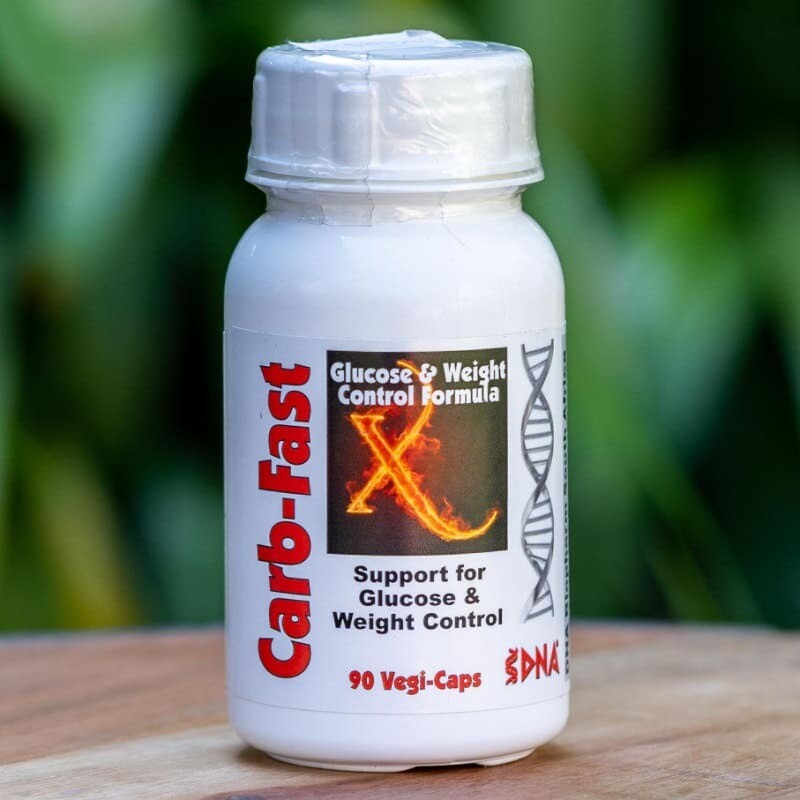
DNA Carb-Fast
What is metabolic syndrome?
Metabolic syndrome raises the risk of developing diabetes, heart disease, and stroke.
Most people who have metabolic syndrome have insulin resistance. When we consume an abundance of simple carbohydrates our blood sugar elevates very quickly. In response to this, the pancreas produces insulin so that glucose can be escorted into the cells to be used for energy production. If the amount of glucose that we have absorbed exceeds the body’s need for energy production, the cells will no longer accept the glucose. As a result, blood sugar stays elevated and in an effort to bring it down, the pancreas will continue to produce insulin. As insulin is also a fat-storing hormone, the more of it that circulates in the body, the harder it becomes to burn body fat. High levels of insulin can also make you feel tired, bloated and crave sugar
Two things occur at this point: 1) glucose is converted to fat and cholesterol so that it is moved out of the blood, and 2) the body becomes resistant to the effects of its own insulin because the need for energy production has been met. If this biochemical process occurs over several years due to a diet high in simple carbohydrates, the development of insulin resistance makes it very difficult to lose weight and keep cholesterol down.
What Are the Complications of Metabolic Syndrome?
The complications that may result from metabolic syndrome are frequently serious and long-term (chronic). They include:
- hardening of the arteries (atherosclerosis)
- diabetes
- heart attack
- kidney disease
- stroke
- nonalcoholic fatty liver disease
- peripheral artery disease
Why do we get fat and then struggle to lose that extra weight?
There are a lot of factors not taken into account when we try and lose weight. Most of these are hormonal. Here is a short description of these.Leptin (Leptin is a hormone secreted by adipose (fat) tissue that is your appetite suppressor – the hormone that signals your body that you’ve had enough to eat and is a key player in optimizing weight loss. Leptin is made in the fat tissue and plays a key role in regulating energy intake and expenditure, including appetite and hunger, metabolism, and behavior.
Leptin resistance results from a diet high in energy-dense low-nutrient foods including soda, refined flours, candy, or any form of sugar (honey, maple syrup, etc). These foods should be limited in anyone trying to lose weight since they negatively impact all of your hormones.
Leptin levels are directly proportional to body weight. Leptin resistance is extremely common in obese individuals.
The ghrelin hormone not only stimulates the brain giving rise to an increase in appetite, but also favours the accumulation of fat located in the abdominal region – considered to be the most harmful. Since ghrelin promotes the formation abdominal fat near the liver, it also promotes fatty liver and increases the risk of developing resistance to insulin.
Adiponectin is the hormone that tells your body to burn fat for fuel—it’s like your body’s “fat burning torch.” If your body isn’t producing enough of it, you won’t lose weight. The more adiponectin you have circulating in your bloodstream, the more fat you burn. Unfortunately, the more fat you have, the lower your adiponectin levels. That’s why dropping weight is so hard at first. Your adiponectin needs a kick start.
Insulin resistance leads to too much glucose in your system, so that most of the carbohydrates you consume get stored as fat. Insulin resistance makes it virtually impossible to lose weight.
Cortisol (Adrenaline)
The body produces cortisol in response to stress. Extra cortisol has the following effects:
-Increases cravings for sweets and carbs.
- Causes overeating and constant hunger.
- Causes the body to break down muscle tissue for energy.
- Lowers the metabolism by reducing muscle mass.
- Causes more fat to be stored in the abdominal area.